Delving into Real Asset Investment Strategies, this introduction immerses readers in a unique and compelling narrative. Real assets offer a tangible way to diversify investment portfolios and maximize returns. In today’s volatile market, understanding the nuances of real asset investments is crucial for long-term financial success.
Exploring the different types of real assets, the benefits they offer, and successful investment strategies can provide investors with the knowledge needed to make informed decisions and secure their financial future.
Real Asset Investment Strategies

Real asset investment involves investing in physical assets such as real estate, infrastructure, commodities, and natural resources. These assets have intrinsic value and can provide diversification to an investment portfolio.
Types of Real Assets Suitable for Investment
- Real Estate: Residential, commercial, or industrial properties.
- Infrastructure: Roads, bridges, airports, and utilities.
- Commodities: Gold, silver, oil, and agricultural products.
- Natural Resources: Timber, water rights, and mineral rights.
Benefits of Incorporating Real Assets into an Investment Portfolio
Real assets offer several benefits, including:
- Diversification: Real assets have a low correlation with traditional financial assets, reducing overall portfolio risk.
- Inflation Hedge: Real assets tend to appreciate in value during inflationary periods, preserving purchasing power.
- Income Generation: Real assets can provide regular income through rental payments, dividends, or royalties.
- Tangible Value: Real assets have intrinsic value and can serve as a store of wealth in times of economic uncertainty.
Successful Real Asset Investment Strategies
- Buy and Hold: Investing in real estate properties for long-term appreciation and rental income.
- Commodity Trading: Speculating on the price movements of commodities like gold or oil for short-term gains.
- Infrastructure Funds: Investing in funds that focus on infrastructure projects to benefit from economic growth and development.
- Natural Resource Royalties: Acquiring royalty interests in natural resource projects to receive ongoing income based on production levels.
Stylish Furniture
When it comes to stylish furniture, there are certain characteristics that set it apart from regular pieces. Stylish furniture often features sleek lines, modern designs, and unique finishes that make a statement in any space.
Choosing Stylish Furniture for Different Spaces
When selecting stylish furniture for different spaces, consider the overall theme and style you want to achieve. For example, for a modern and minimalist look, opt for furniture with clean lines and neutral colors. In contrast, for a more eclectic or bohemian style, choose furniture with bold patterns and vibrant hues.
- Consider the size of the space and choose furniture that fits proportionally.
- Mix and match different furniture styles for added visual interest.
- Pay attention to the materials used in the furniture to ensure quality and longevity.
Importance of Quality and Design in Stylish Furniture
Quality and design play a crucial role in stylish furniture. High-quality materials and craftsmanship ensure durability and longevity, while thoughtful design elements add a touch of sophistication and elegance to any space.
Investing in quality stylish furniture can elevate the overall aesthetic of your home and create a lasting impression.
Examples of Trendy Furniture Styles for Different Interior Themes
For a Scandinavian-inspired interior, opt for furniture with clean lines, light woods, and minimalistic designs. On the other hand, for a mid-century modern look, choose furniture with tapered legs, bold colors, and organic shapes.
- Industrial style: Raw materials, exposed metal, and rustic finishes.
- Farmhouse style: Distressed wood, vintage-inspired pieces, and cozy textiles.
- Art Deco style: Luxurious materials, geometric patterns, and glamorous accents.
Real Estate
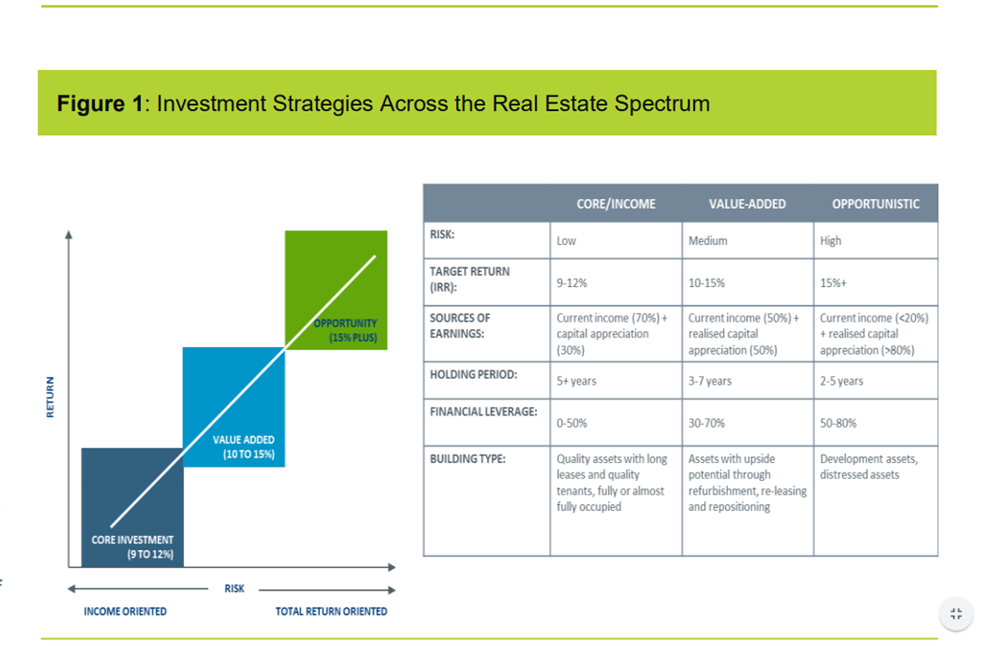
Real estate investment plays a crucial role in a diversified portfolio as it offers a unique combination of stability, income generation, and potential for long-term appreciation. Investing in real estate can help spread risk across different asset classes and provide a hedge against inflation.
Approaches to Investing in Real Estate
- Rental Properties: Buying physical properties to rent out can provide a steady stream of rental income and potential for property value appreciation over time.
- REITs (Real Estate Investment Trusts): Investing in REITs allows investors to access real estate markets without directly owning properties. REITs typically pay out high dividends and offer liquidity.
- Real Estate Crowdfunding: This platform enables investors to pool their resources to invest in properties, offering opportunities to diversify across various real estate projects with lower capital requirements.
Tips for Evaluating Real Estate Investment Opportunities
- Location Analysis: Assess the location of the property to determine its potential for rental demand, property appreciation, and overall market stability.
- Financial Analysis: Conduct a thorough financial evaluation, including cash flow projections, operating expenses, financing costs, and potential return on investment.
- Market Research: Stay informed about local real estate market trends, supply and demand dynamics, and regulatory changes that may impact the investment.
Potential Risks and Rewards of Investing in Real Estate
- Rewards: Real estate investments offer the potential for passive income, capital appreciation, tax benefits, and portfolio diversification.
- Risks: Risks include market volatility, illiquidity, property market fluctuations, unexpected expenses, and regulatory changes that can impact the investment returns.
Renovation Tips
Renovating a property can significantly increase its value, but it’s important to do so in a cost-effective manner. Here are some tips to help you maximize your renovation budget:
Cost-Effective Renovation Tips
- Focus on high-impact areas such as kitchens and bathrooms, as these are often the most important rooms for potential buyers.
- Consider cosmetic updates like painting walls, replacing fixtures, and updating hardware for a fresh look without breaking the bank.
- Shop around for deals on materials and labor to ensure you’re getting the best value for your money.
- Consider DIY projects for simple tasks like painting or installing new flooring to save on labor costs.
Latest Trends in Home Renovations
- Open concept floor plans continue to be popular, creating a sense of spaciousness and flow in a home.
- Smart home technology is increasingly in demand, with features like smart thermostats, lighting, and security systems adding value to a property.
- Eco-friendly and sustainable materials are becoming more prevalent in renovations, appealing to environmentally conscious buyers.
Guidance for Renovating Different Areas
- Kitchens: Focus on updating cabinets, countertops, and appliances for a modern look. Consider adding a fresh coat of paint and new hardware for a quick refresh.
- Bathrooms: Replace old fixtures, update the vanity and mirror, and consider adding new tile for a clean and updated bathroom space.
- Outdoor Spaces: Enhance curb appeal with landscaping, outdoor lighting, and a welcoming entrance. Consider adding a deck or patio for outdoor living space.
Before-and-After Renovation Stories
Seeing the transformation of a property through renovation can be inspiring. Here are a few before-and-after stories to showcase the impact of renovation projects:
One homeowner increased their property value by 20% by updating their kitchen with modern appliances and a fresh color scheme.
Another family transformed their outdated bathroom into a spa-like retreat, attracting multiple offers when they put their home on the market.
In conclusion, Real Asset Investment Strategies present a lucrative opportunity for investors seeking stability and growth in their portfolios. By incorporating real assets and applying the right investment strategies, individuals can navigate market fluctuations and build wealth over time. Stay informed, stay strategic, and watch your investments thrive.
Common Queries
What are real asset investment strategies?
Real asset investment strategies involve acquiring tangible assets like real estate, commodities, or infrastructure to diversify investment portfolios and maximize returns.
How can real assets benefit an investment portfolio?
Real assets offer a hedge against inflation, provide steady income streams, and have the potential for capital appreciation, making them valuable additions to a diversified portfolio.
What are some examples of successful real asset investment strategies?
Successful real asset investment strategies may include investing in income-producing properties, acquiring precious metals like gold and silver, or participating in infrastructure projects with long-term growth potential.


